Anúncios
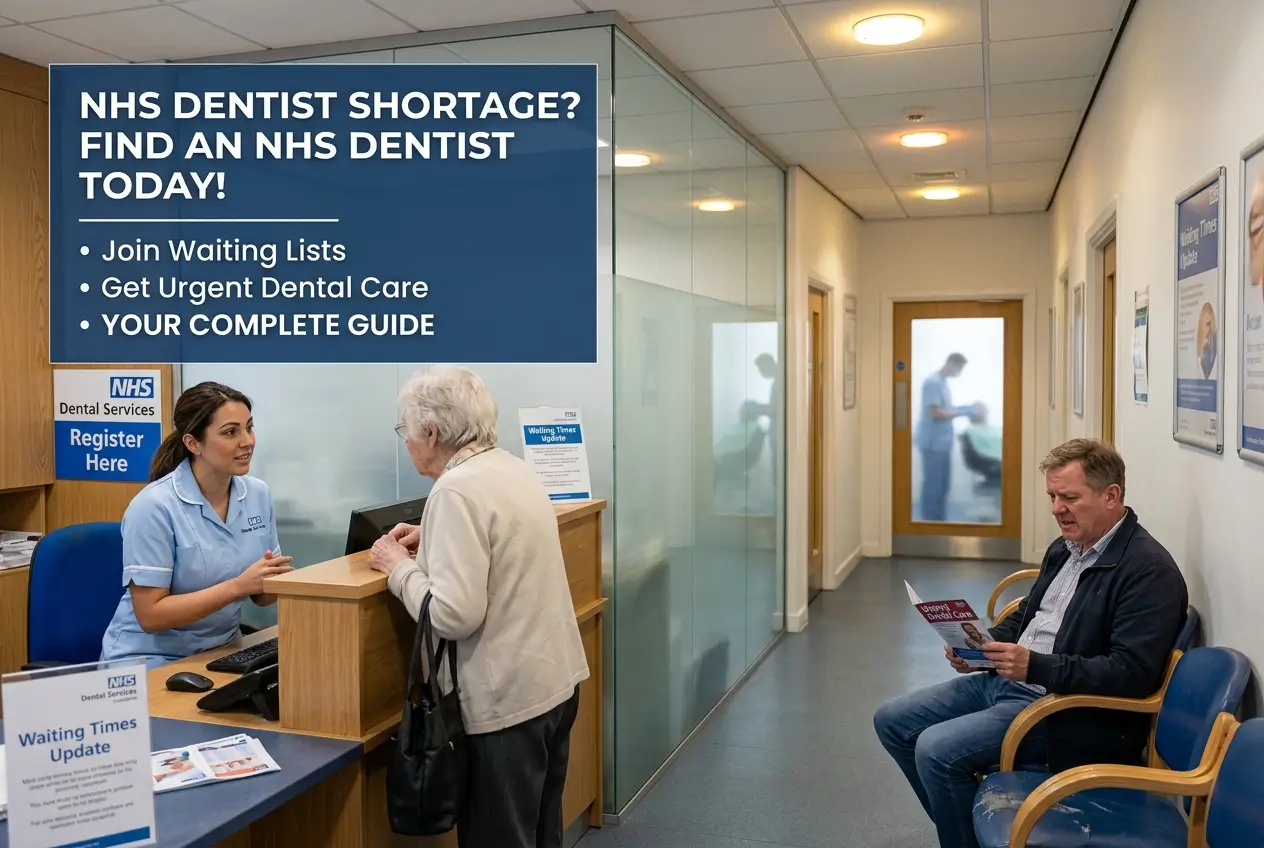
Finding an NHS dentist in England can feel like an impossible task. The shortage is real, leaving many unsure where to turn for check-ups or urgent care.
But there are clear steps you can take. New measures from April 2026 aim to improve access, especially if you’re in pain.
This guide will show you exactly how to find a dentist, join waiting lists, and get emergency help without the stress. Let’s get it sorted.
Why Is It So Hard to Find an NHS Dentist?
You’re not imagining it; there’s a national shortage of NHS dental appointments. High demand and issues with funding have put huge pressure on the system.
Many practices have long waiting lists or have stopped accepting new NHS patients altogether. This makes routine check-ups difficult to secure.
However, it’s important to know you don’t “register” with a dentist like you do with a GP. You can get treatment from any practice that has space.
Your Action Plan: How to Find an NHS Dentist
Finding a practice takes persistence. Don’t give up after the first few calls. Here is a clear, step-by-step method to follow.
- Use the NHS ‘Find a Dentist’ Tool: This is your starting point. Visit the official NHS website and enter your postcode to see a list of local clinics.
- Filter Your Search: Make sure to filter the results for practices that are “accepting new adult patients”. This saves you time.
- Call Practices Directly: The online tool isn’t always up-to-date. Phone the surgeries on your list and ask them one simple question.
- Be Specific: Ask them, “Are you currently accepting new NHS adult patients?” This clear question avoids any confusion about private treatment.
- Ask About Waiting Lists: If they say no, don’t just hang up. Ask, “Do you have a waiting list I can join?” Get your name down wherever you can.
- Widen Your Search Area: If there’s nothing in your town, try looking in nearby areas, especially places you might travel to for work or shopping.
- Try Again Regularly: A practice’s situation can change overnight. Make a note to call back every few weeks or check the website on a Monday morning.
What to Do If You Still Can’t Find Anyone
Sometimes, even with persistence, every door seems closed. If you’ve tried everything and are still stuck, you have official channels to turn to for help.
These organisations are responsible for making sure dental services are available in your area. They are obliged to help you.
- Contact your local Integrated Care Board (ICB): The ICB commissions dental services. They need to know if you can’t get care.
- Contact NHS England: You can call the NHS England Customer Contact Centre on 0300 311 2233 for guidance.
- Get in touch with Healthwatch: Your local Healthwatch is an independent champion for patients. They can offer advice and raise your concerns.
Understanding NHS Dental Charges from April 2026
NHS dental costs are set in fixed bands. You only pay one charge for a complete course of treatment, even if it takes multiple appointments.
It’s crucial to know these costs before you go, so there are no surprises. Always confirm you are being treated as an NHS patient.
| Band | Treatment Type | Cost |
|---|---|---|
| Band 1 | Check-ups, X-rays, diagnosis, scale and polish (if needed), urgent care. | £27.90 |
| Band 2 | Everything in Band 1, plus fillings, root canal work, or extractions. | £76.60 |
| Band 3 | Everything in Bands 1 and 2, plus crowns, dentures, and bridges. | £332.10 |
You might be eligible for free NHS dental treatment. This applies if you receive certain benefits like Pension Credit or qualify via the NHS Low Income Scheme.
How to Get Urgent Dental Care (Even If You’re Not Registered)
If you’re in severe pain, you have a right to urgent care. From April 2026, practices must provide a minimum number of urgent slots.
You do not need to be a regular patient at a practice to access these emergency appointments. The key is to know who to call.
The most important number to remember for urgent dental care is 111.
Seek urgent care if you are experiencing any of the following:
- Severe tooth or mouth pain that isn’t helped by painkillers.
- Swelling in your face, gum or mouth (a sign of an abscess).
- Injury to your teeth, such as a tooth being knocked out.
- Uncontrolled bleeding after a tooth extraction.
To get help, your first and best option is to call NHS 111 or use the 111 online service. They will assess your symptoms and refer you to an available service.
You can also try calling local dental practices and asking if they have any emergency NHS appointments available that day.
When to Go to A&E for a Dental Problem
Hospital A&E departments are not equipped for dental treatment. You should only go there for a dental issue if it is a life-threatening emergency.
This includes serious situations where waiting could be dangerous. Do not go to A&E for standard toothache or a lost filling.
- Severe swelling: If swelling in your mouth or neck is making it difficult to breathe or swallow.
- Heavy bleeding: If bleeding from your mouth will not stop after 20 minutes of firm pressure.
- Serious injury: Major trauma to your face, mouth or jaw from an accident.
In these critical situations, call 999 or go directly to A&E.
Key Differences: NHS vs Private Treatment
When you call a dental practice, they might offer you a private appointment instead of an NHS one. It’s vital to understand the difference.
NHS treatment has nationally set prices (the bands listed above). The focus is on functional health, providing clinically necessary care.
Private treatment costs are set by the individual practice. Prices vary widely and are almost always significantly more expensive than the NHS.
Private care may offer more flexible appointment times or a wider range of cosmetic treatments, like white fillings on back teeth, which are not always available on the NHS.
Always clarify before you book: “Is this an NHS appointment?” This simple question can save you from an unexpected and large bill.
Safety Alert: Avoid These Dangerous Traps
Desperation can lead people to make risky choices. Protect your health and your money by being aware of these common pitfalls and scams.
NEVER attempt ‘DIY dentistry’. There are horrifying stories of people trying to pull their own teeth. This can lead to severe infection, fractures, and permanent damage.
If you are in that much pain, the correct and safe route is to call NHS 111. They are there to get you access to urgent, professional care.
- Check before you pay: Some private clinics may not make it clear that you are being seen privately. Confirm the status of your care upfront.
- Beware of waiting list fees: The NHS will never ask you to pay a fee to join a waiting list. Anyone offering this is running a scam.
- Avoid online “guarantees”: Be wary of websites or social media posts that promise to find you an NHS dentist for a fee. Use the official NHS website only.
Know Your Rights as an NHS Dental Patient
Even when services are stretched, you still have rights as a patient. Understanding them can help you feel more in control of your treatment.
Your dentist must provide you with a written treatment plan before starting any Band 2 or Band 3 course of treatment.
This plan should clearly outline the dental work you will be having and show the exact cost. You are not required to agree to anything on the spot.
You are also entitled to an explanation of your treatment options. If you are not happy with the service you receive, you have the right to make a complaint.
Start by raising your concern directly with the practice manager. If you’re not satisfied, you can escalate it to the Parliamentary and Health Service Ombudsman.
Stay persistent in your search for routine care and use the official channels if you get stuck. For urgent pain, always use NHS 111.