Anúncios
As we look towards 2026, many are asking what Cost of Living support will be available in England. The situation is changing, but help is still out there.
The one-off Cost of Living Payments of past years have ended. However, the core system of benefits and support remains in place to help those on low incomes.
This guide will show you exactly what help is available, how to check if you are eligible, and where to apply. Let’s make sure you get every bit of support you’re entitled to.
What’s Happening with Cost of Living Payments?
The government rolled out specific Cost of Living Payments between 2022 and early 2024. These were extra cash payments to help with rising prices.
As of now, the government has not announced any new, similar one-off payments for 2025 or 2026. This means we must focus on the ongoing, regular support systems.
This support includes established benefits, council schemes, and energy bill discounts. These are the main safety nets designed to help you manage your finances long term.
Think of it this way: the emergency payments have stopped, but the permanent support structure is still running. Knowing how to access it is key.
The Main Benefits You Can Still Rely On
Even without special Cost of Living Payments, there’s a range of established benefits. Millions of people are missing out on support they could be getting right now.
Checking your eligibility for these is the most important step you can take. They are the foundation of financial support in England.
- Universal Credit: This is the main benefit for people on a low income, whether you’re in or out of work. It combines several older benefits into one payment.
- Pension Credit: A top-up for pensioners on a low income. It’s a vital gateway to other help, like council tax reduction and free TV licences for over 75s.
- Disability Benefits: These include Personal Independence Payment (PIP) and Attendance Allowance. They help with the extra costs of a long term health condition or disability.
- Housing Benefit or Council Tax Support: This helps you pay your rent or council tax if you are on a low income. You apply for this directly through your local council.
These benefits are not temporary. They are designed to provide consistent support based on your circumstances, providing stability as prices change.
Are You Eligible? Key Criteria for Top Benefits
Eligibility can seem complicated, but it usually boils down to a few key factors. Don’t rule yourself out without checking properly.
The rules depend on your income, savings, living situation, and whether you have a disability or are of pension age. Here’s a simple breakdown.
Important: Even if you’ve been turned down before, your situation might have changed. It is always worth checking again if your circumstances are different.
For Universal Credit, you generally need to be under State Pension age and have less than £16,000 in savings. Your income from work will affect how much you get.
For Pension Credit, you must be over State Pension age. It tops up your weekly income to a guaranteed minimum amount set by the government.
For PIP, it’s not about your income or savings. It’s based on how your long term health condition or disability affects your ability to do daily tasks.
How to Check Your Eligibility Step by Step
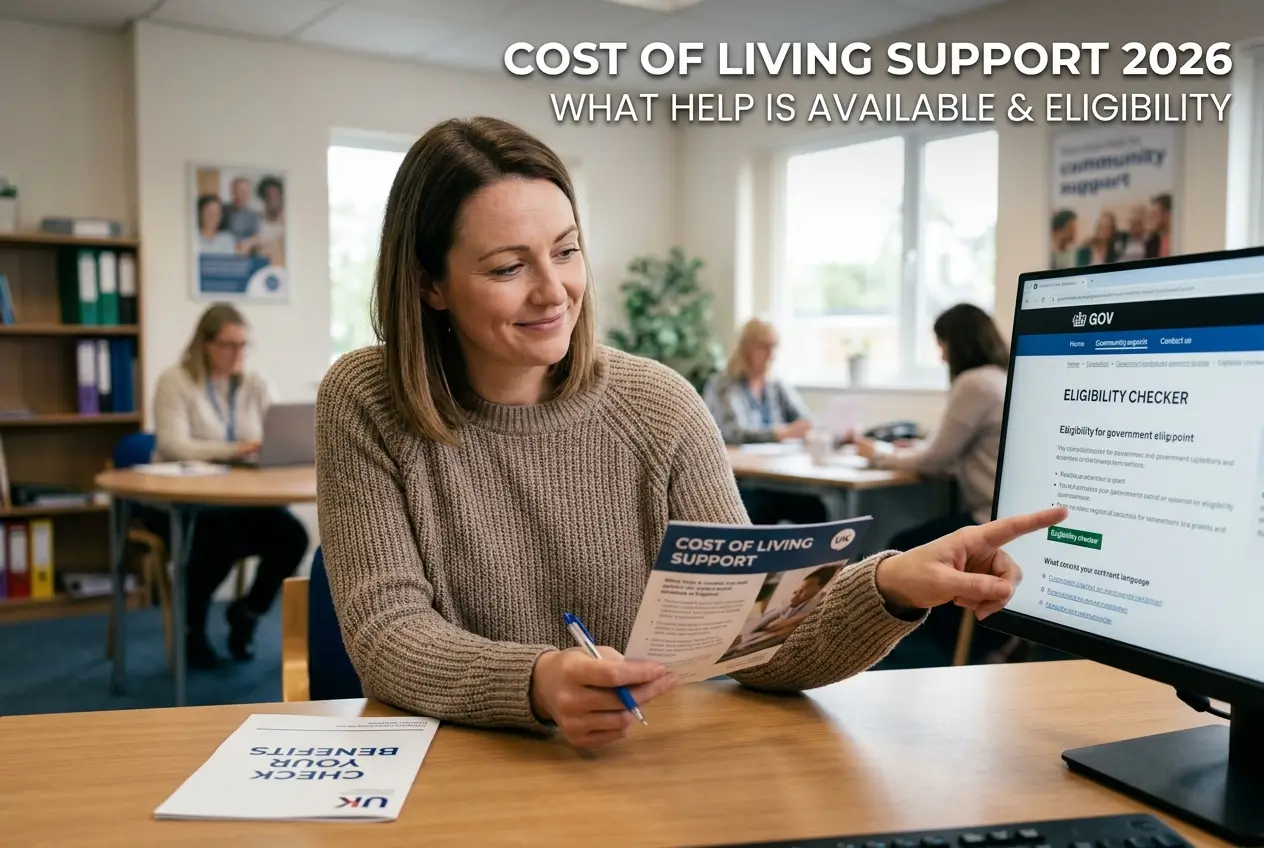
Finding out what you could get is easier than you think. There are free, official tools that do the hard work for you. You won’t have to fill out any forms yet.
Using an independent benefits calculator is the best first step. It takes about 10 minutes and will give you a clear idea of what to apply for.
- Use an official calculator: Go to the GOV.UK website and search for “benefits calculator”. Use one of the recommended tools like those from Policy in Practice or Entitledto.
- Gather your information: You’ll need details about your income, savings, rent or mortgage, council tax, and any existing benefits you receive.
- Answer the questions: The calculator will guide you through a series of questions about your household and financial situation. Be as accurate as you can.
- See the results: The tool will show you an estimate of the benefits you could be entitled to and provide links to start your applications.
This process is anonymous and completely confidential. It is simply a way to check your options without any commitment.
Support from Your Local Council: What to Ask For
Your local council is a major source of financial help. This support is often overlooked but can make a huge difference to your monthly budget.
Two key schemes to be aware of are Council Tax Support and the Household Support Fund. These are managed locally, so you need to contact your council directly.
Council Tax Support can reduce your council tax bill, sometimes to zero, if you are on a low income or certain benefits. It has replaced the old Council Tax Benefit.
The Household Support Fund provides small grants to help vulnerable households with essentials. This can include food, energy bills, and other necessary items.
To find out more, search online for your local council’s name plus “Council Tax Support” or “Household Support Fund”. The rules and application process will be on their website.
Energy Bill Support: Keeping Your Home Warm
Energy costs remain a huge concern for many households. Several schemes are designed to help you manage your gas and electricity bills, especially in winter.
These programmes are often paid automatically if you meet the criteria, but it’s vital to check you are receiving what you should be.
- Warm Home Discount: A one-off £150 discount on your electricity bill during the winter. You’ll usually get it if you receive Pension Credit or are on a low income.
- Winter Fuel Payment: A payment of between £250 and £600 to help older people pay their heating bills. You normally get this automatically if you’re of State Pension age.
- Cold Weather Payments: A £25 payment for each 7-day period of very cold weather between 1 November and 31 March. This is for people on certain benefits.
Contact your energy supplier as well. Many have their own hardship funds and can offer practical support if you are struggling to pay your bills.
Watch Out for Scams: How to Stay Safe
Whenever government support is mentioned, scammers try to take advantage. It is crucial to be vigilant and protect your personal information.
Official bodies like the Department for Work and Pensions (DWP) or HM Revenue and Customs (HMRC) will never contact you by text message or email to ask for your bank details.
Red Flag Alert: Be very suspicious of any message that asks you to click a link to apply for a payment or grant. This is a common tactic used by criminals.
If you receive a payment you are not expecting, do not respond to any messages about it. Instead, check your bank statement and contact the DWP directly if you are unsure.
Always use the official GOV.UK website to find information and apply for benefits. Never use unofficial links sent to you by text, email or social media.
Where to Get Free, Trustworthy Advice
Navigating the benefits system can feel overwhelming. Fortunately, there are several organisations that offer free, impartial, and expert advice.
You do not have to figure this out alone. These services are there to help you understand your rights and get the support you are entitled to.
- Citizens Advice: They offer confidential advice online, over the phone, and in person on a wide range of issues, including benefits, debt, and housing.
- MoneyHelper: A government-backed service that provides free guidance on money and pensions. Their website has a wealth of information and tools.
- Turn2us: A national charity that helps people in financial hardship gain access to welfare benefits, charitable grants, and other support.
These organisations can help you with everything from checking your eligibility to filling out application forms. Do not hesitate to reach out to them.
Taking a few minutes to use an online calculator or call an advice line could unlock hundreds or even thousands of pounds of support. Check today to see what you could get.